
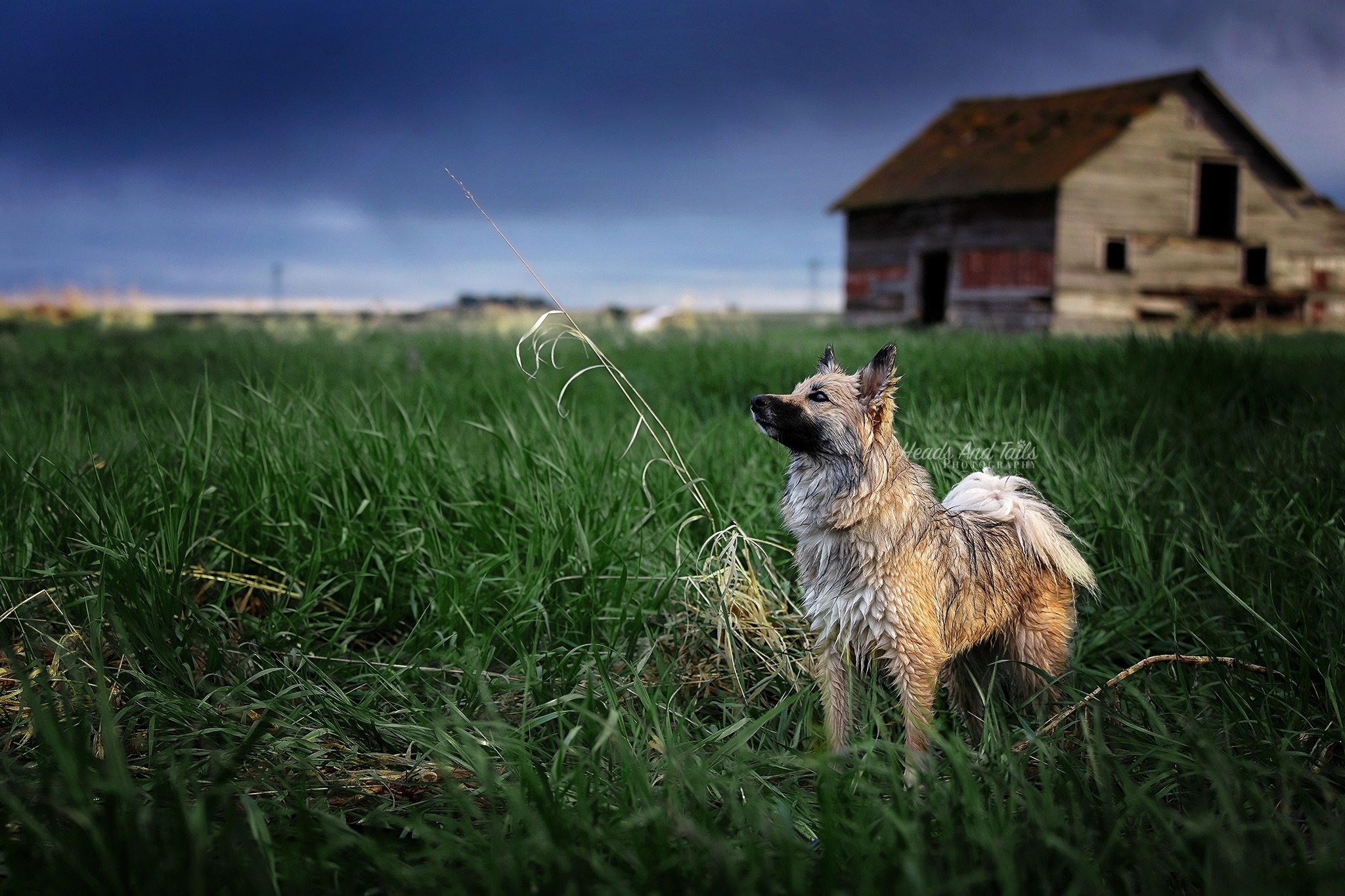
If you’re looking for a spirited, affectionate, and ancient breed with a fascinating history, let us introduce the Icelandic Sheepdog — Iceland’s only native dog and a living piece of Viking heritage!
A Brief History of the Icelandic Sheepdog
The Icelandic Sheepdog is one of the world’s oldest breeds, brought to Iceland by Viking settlers over 1,000 years ago. These hardy, spitz-type dogs quickly became essential farm helpers, herding sheep, horses, and other livestock across Iceland’s rugged, volcanic terrain. As the only native dog of Iceland, the breed nearly went extinct in the 20th century due to disease and harsh conditions, but dedicated efforts by breeders and the Icelandic Kennel Club helped preserve this cheerful, energetic dog that remains a living link to Iceland’s Viking past.
Breed Purpose & Role Today
Historically, the Icelandic Sheepdog was bred to herd sheep, horses, and cattle across Iceland’s rugged landscape, using its agility, intelligence, and loud bark to keep flocks moving and alert farmers to predators. Today, while they still excel at herding, their primary role has expanded to being affectionate, active family companions. They also thrive in dog sports like agility, obedience, and herding trials, and they remain popular in Iceland and abroad as cheerful watchdogs and loyal adventure partners, embodying their centuries-old working spirit.
Appearance
The Icelandic Sheepdog is a small-to-medium spitz-type dog with a fox-like face, dark expressive eyes, and pointed, upright ears that give it an alert, cheerful expression. Their distinctive curled tail arches over the back, a hallmark of their breed. They have a thick double coat — either short or long — that comes in various colors like tan, red, chocolate, black, or cream, always with characteristic white markings. Their dense fur, bushy tail, and sturdy build were designed to withstand Iceland’s harsh climate, making them both beautiful and practical for life on the farm.
Temperament and Personality
Beyond their cheerful energy and affectionate nature, the Icelandic Sheepdog is known for an exceptionally friendly and optimistic temperament. They are playful, social dogs who thrive in the company of people and other animals. These dogs rarely show shyness or aggression, making them wonderful family companions who typically get along well with children and visitors alike. Their natural alertness and tendency to bark make them effective watchdogs, but they are not aggressive guardians. Instead, they announce newcomers enthusiastically, reflecting their confident, outgoing personality that brings joy and warmth to any household.
Grooming Needs
The Icelandic Sheepdog’s thick double coat, designed to withstand Iceland’s harsh climate, requires regular grooming to keep it healthy and looking its best. Brushing several times a week helps control moderate to heavy shedding, especially during seasonal coat blows in spring and fall. Regular grooming prevents matting and reduces loose hair around the home. Although their coat tends to repel dirt and requires infrequent bathing, owners should be prepared for some extra care during muddy or snowy adventures. Routine checks of their ears, nails, and teeth help maintain overall health and comfort.
Health and Lifespan
The Icelandic Sheepdog is generally a healthy and hardy breed, with a typical lifespan of 12 to 15 years. However, like all breeds, they can be prone to certain health issues, including hip dysplasia, patellar luxation, and inherited eye conditions such as cataracts. Responsible breeders screen breeding pairs for these and other genetic concerns to help ensure the continued health and vitality of the breed. Regular veterinary care, a balanced diet, and appropriate exercise contribute to a long, active life, allowing Icelandic Sheepdogs to remain happy and engaged well into their senior years.
Modern Day Activities and Needs
Today, the Icelandic Sheepdog thrives as an energetic, affectionate companion who still loves having a job to do. While many no longer herd livestock, they excel in dog sports like agility, herding trials, obedience, and tracking, which challenge their quick minds and agile bodies. They need plenty of daily exercise — walks, hikes, games, or interactive training — to stay happy and healthy. Without enough mental and physical stimulation, they can become bored and vocal. As social, people-oriented dogs, they also need regular companionship and don’t do well if left alone for long periods. Providing them with purposeful activities and including them in family life are key to a well-adjusted, content Icelandic Sheepdog.
Trainability and Intelligence
Intelligent and eager to please, the Icelandic Sheepdog excels in learning new commands and tasks when training is consistent and positive. They respond best to reward-based methods that keep sessions fun and engaging. While their quick minds make them fast learners, they also have an independent streak, which can lead to occasional stubbornness. Patience, variety in training activities, and plenty of praise will help them stay focused and motivated. Their keen intelligence makes them excellent candidates for advanced obedience, agility, and even scent work.
Adaptability
One of the Icelandic Sheepdog’s great strengths is its adaptability. Although they have a working heritage and love space to explore, they can thrive in a variety of living environments — from rural farms to suburban homes — as long as their high exercise and companionship needs are met. Icelandic Sheepdogs are happiest when they are included in daily family life and given opportunities to expend their energy through walks, play, or structured activities. However, they do not tolerate long periods of isolation and can become bored or vocal if left alone for extended times. An active household that can provide mental and physical stimulation is ideal for this bright, sociable breed.
Population and Popularity
The Icelandic Sheepdog remains a relatively rare breed worldwide, with an estimated global population of around 25,000 dogs.
In Iceland, there are about 4,400 dogs registered, making it the country’s fifth most common breed
Denmark hosts the largest population outside Iceland with roughly 5,200.
Sweden has around 3,000 Icelandic Sheepdogs
Germany and the Netherlands each have about 2,200.
The UK and France have fewer than 1,500 each.
In North America, including the U.S. and Canada, there are approximately 3,000 Icelandic Sheepdogs combined.
Despite their rarity, the breed’s popularity has been steadily increasing since the American Kennel Club recognized them in 2010. As of 2023, they rank 146th out of more than 200 breeds on the AKC’s popularity list, but annual registrations remain modest, often resulting in waitlists for puppies. This steady interest reflects their appeal as a cheerful, active companion and a living symbol of Icelandic heritage.
What does this mean?
While still relatively rare, the Icelandic Sheepdog is seeing steady growth, both in Iceland and internationally.
The breed’s status as a heritage and cultural gem, combined with its adorable looks and amiable temperament, is drawing more interest—especially among families and active dog enthusiasts.
- However, limited breeders and genetic preservation efforts mean new puppies aren’t easy to find, and responsible breeding is crucial.
Conclusion
In summary, the Icelandic Sheepdog is a spirited, affectionate breed with deep Viking roots and a rich history as Iceland’s indispensable herding companion. Though they nearly vanished in the 20th century, dedicated efforts preserved their lineage, allowing them to thrive today as joyful, active family dogs who excel in sports and adventures. Their alert, fox-like appearance and thick, weather-resistant coats reflect their rugged heritage. Despite being relatively rare, their popularity is steadily growing worldwide, with more families drawn to their cheerful personalities and strong bonds. The Icelandic Sheepdog remains a vibrant link to Iceland’s past, offering a unique blend of history, charm, and companionship to those ready to embrace their energy and devotion.


0 Comments